
If you’ve ever been told you need a dental crown, you probably had questions. What exactly is it? Why do I need it? Is there another option?
Dental crowns are one of the most common restorative procedures in dentistry, but most patients don’t think about them until they need one.
At Aesthetic Dentistry Centre in Plano, Dr. Mark Sowell and Dr. Sara Chen use crowns to protect, strengthen, and improve damaged or weakened teeth and to provide a cosmetic upgrade. Our Plano dentists offer same-day crowns with modern technology and an in-office ceramic lab.
Here’s what you need to know about dental crowns and when they’re the right choice for your smile.
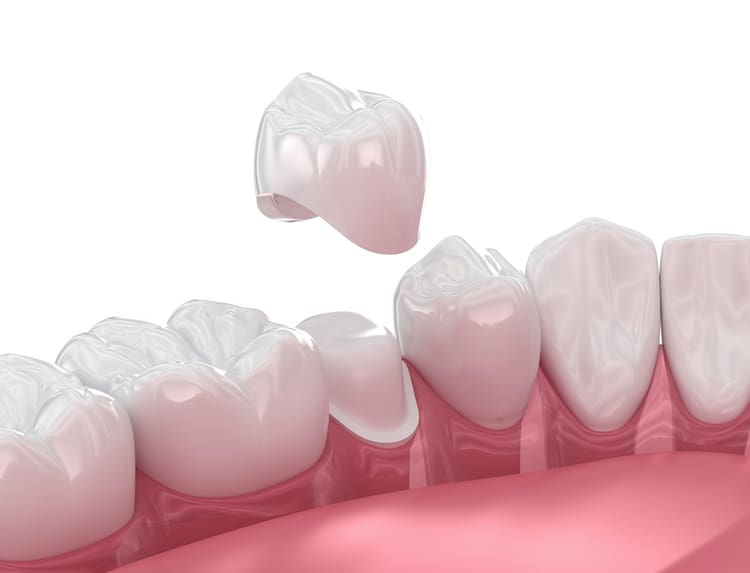
What Is a Dental Crown?
Think of a dental crown as a cap that covers the entire visible portion of your tooth above the gum line. It restores the tooth’s shape, size, strength, and appearance.
Crowns are custom-made to match your natural teeth in color, shape, and translucency. Modern crowns are typically made from porcelain or ceramic materials that mimic the light-reflecting properties of natural tooth enamel. They’re durable, stain-resistant, and designed to blend seamlessly with your smile.
At Aesthetic Dentistry Centre, we use same-day crown technology. Instead of waiting weeks for an outside lab to fabricate your crown, we design and mill it in our office while you wait. That means no temporary crown, no second appointment, and no weeks of being careful with what you eat.
When Do Dentists Recommend Crowns?
Several situations where a crown is the best or only option include:
Large Fillings
When a tooth has a cavity that’s too large for a filling, a crown is the solution. Fillings work well for small-to-moderate decay, but when a large portion of the tooth is compromised, there may not be enough structure left to support a filling. A crown encases the entire tooth, protecting what remains and preventing further damage.
After Root Canal Therapy
A tooth that’s undergone root canal therapy is more brittle and prone to fracture. The root canal removes the nerve and blood supply from the tooth, which can leave it weaker over time. A crown provides the protection needed for it to function normally without breaking.
Broken or Cracked Teeth
Teeth can crack or break from injury, from biting down on something hard, or even from years of normal wear. A crown restores the tooth’s structure and prevents the crack from spreading.
Severe Wear from Grinding
Grinding or clenching your teeth (bruxism) can wear down enamel, shorten your teeth, and make them more vulnerable to decay. A crown can restore the tooth’s original height and protect it from further damage.
Cosmetic Concerns
Crowns aren’t just for damaged teeth. They can also improve the appearance of teeth that are discolored, misshapen, or poorly proportioned. Veneers are the first choice for cosmetic issues. But when a tooth lacks sufficient structure to support a veneer, a crown is the better option.
Anchoring a Dental Bridge
When you’re missing one or more teeth, a dental bridge can fill the gap. The bridge is supported by crowns placed on the teeth adjacent to the gap. Those crowns anchor the bridge in place, restoring your smile and your ability to chew.
Completing a Dental Implant
Dental implants replace missing teeth with a titanium post that acts as an artificial tooth root. Once the implant has fused with your jawbone, a crown is placed on top to complete the restoration. This combination provides a strong, natural-looking, permanent replacement for missing teeth.
What About Same-Day Crowns?
Traditional crowns require two appointments. At your first visit, the dentist prepares the tooth, takes impressions, and places a temporary crown. You wait two to three weeks for the permanent crown to be fabricated at an outside lab. At your second visit, the temporary crown is removed, and the permanent crown is bonded in place.
At Aesthetic Dentistry Centre, we offer same-day crowns. Using advanced technology, we take digital impressions, design your crown on a computer, and mill it from a ceramic block in our in-office lab. The entire process takes about two hours.
What you save: no temporary crown, no second appointment, no weeks of worrying about your temporary falling off or leaking.
How Long Do Crowns Last?
With proper care, dental crowns can last 10 to 15 years or longer. Some patients keep their crowns for 20 years or more.
The key to longevity is good oral hygiene. Brush twice daily, floss daily, and maintain regular dental checkups. Avoid biting hard objects like ice, pens, or hard candy. If you grind your teeth, wear a night guard.
Are Crowns Painful?
Getting a crown is typically no more uncomfortable than getting a filling. The tooth is numbed with local anesthesia, so you won’t feel any pain during the preparation. After the procedure, you may experience some sensitivity to hot and cold, but this usually resolves within a few days.
For patients with dental anxiety, we offer sedation options to help you feel more comfortable.
How Much Do Dental Crowns Cost in Plano?
The cost of a dental crown varies depending on the material used and the complexity of your case. Porcelain crowns typically range from $1,200 to $2,500 per tooth.
We offer flexible payment options, including CareCredit financing and our “cruise plan,” which lets you prepay over time. During your consultation, Dr. Sowell or Dr. Chen will provide a complete, itemized treatment plan with no surprises.
Don’t Wait Until a Small Problem Becomes a Big One
If you have a cracked, decayed, or damaged tooth, don’t wait. The longer you put off treatment, the more complex and expensive it becomes.
Call your dentist in Plano, TX, at (972) 382-6855 to schedule your crown consultation. You can also request an appointment online anytime. New patients are always welcome. Ask about our same-day crown options and financing plans.