If you’re considering dental implants in Plano, you’ve probably asked yourself how long they will actually last. It’s a fair question. The implant process takes time, and you want to know that your investment will pay off for years to come.
Fortunately, dental implant research is extensive. Scientists have been studying implants for decades. They’ve tracked patients for 10, 15, even 20 years, and the data tells a compelling story.
At Aesthetic Dentistry Centre in Plano, TX, Dr. Sara Chen and Dr. Mark Sowell stay current with all the latest research. They’ve built their practice around evidence-based techniques that maximize implant longevity. Today, we’ll share what the research says and what it means for your smile.
The Headline Numbers: Implant Success Rates Over 10 Years
Let’s start with the big picture. What do long-term studies actually show?
A systematic review published in the International Journal of Oral and Maxillofacial Surgery analyzed 23 studies with at least 10 years of follow-up. The researchers evaluated over 7,700 implants. The average follow-up period was 13.4 years.
Here’s what they found. The cumulative survival rate was 94.6%. The average marginal bone loss was just 1.3mm.
That’s remarkable. It means that after more than a decade, nearly 95% of implants were still functioning perfectly. And the bone around them had barely changed.
Another study tracked implants placed by postgraduate periodontology students over 19 years. The survival rates were:
- 98% after 5 years
- 97% after 10 years
- 95% after 15 years
- 93% after 19 years
Notice the pattern. Most implant failures happen early. If your implant survives the first few years, it’s likely to last for decades.
A recent study of patients with disabilities found a 10-year cumulative survival rate of 98.3%. Even more impressive, the functional survival rate for implants that reached the prosthetic loading stage was 99.7%.
The takeaway is clear. Dental implants are one of the most successful procedures in modern medicine. When placed correctly and cared for properly, they can last a lifetime.
What the Research Says About Bone Loss
A key indicator of implant health is marginal bone loss. This measures how much bone you lose around the implant over time. Less bone loss means a healthier implant.
A 10-year study published in Clinical Oral Implants Research examined bone levels around immediately loaded single implants. The average bone loss was:
- 0.266mm after 1 year
- 0.194mm after 5 years
- 0.198mm after 10 years
Here’s something fascinating. Bone loss actually stabilized after the first year. The implant and bone reached a stable equilibrium. After that, very little changed.
Another 10-year case series found similar results. Bone levels remained stable after the first year of function. Mean bone remodeling values were between 0.90mm and 1.17mm.
What does this mean for you? It means that if your implant is placed correctly and your bone integrates properly, you can expect long-term stability. Your bone won’t keep shrinking year after year. It reaches a healthy balance with the implant.
Factors That Affect Implant Longevity
Not all implants last equally long. Research has identified several factors that influence how long your implant will survive.
1. Smoking
Smoking is one of the most significant risk factors for implant failure. A 10-year study found that smoking was the most important factor associated with peri-implant bone loss. If you smoke, your implant is more likely to fail. Quitting before your procedure can dramatically improve your odds.
2. Oral Hygiene
How well you care for your implant matters. Brushing, flossing, and regular professional cleanings help prevent peri-implantitis. This is an infection that can destroy the bone around your implant. Good hygiene is your best defense.
3. Bone Quality and Volume
Your jawbone quality affects implant stability. Dense bone provides better support. If you have bone loss, you may need a bone graft before placing an implant. This creates a solid foundation for your implant.
4. Overall Health
Certain medical conditions can affect implant success. Uncontrolled diabetes, osteoporosis, and immune disorders can impair healing. Dr. Sara Chen will review your health history and discuss any concerns before treatment.
5. Implant Placement and Restoration
The skill of your dentist in Plano matters a lot. Precise surgical placement and a well-fitted restoration contribute to long-term success. Research shows that minimizing risks and achieving predictable results requires comprehensive, prosthesis-oriented planning.
The Difference Between the Implant and the Crown
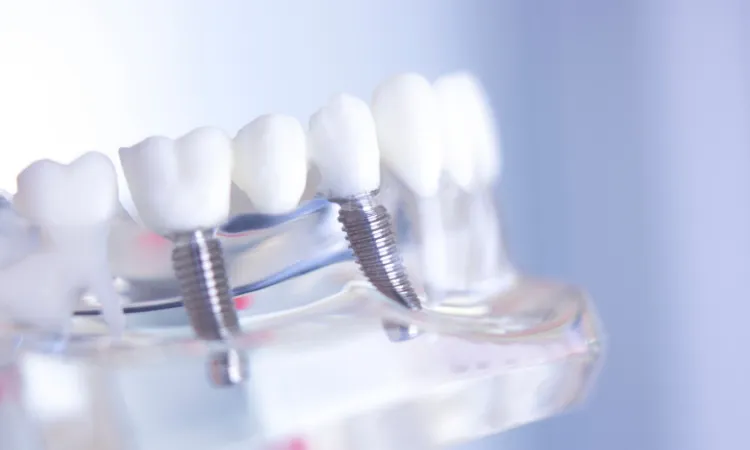
Here’s something important to understand. Your dental implant has two main parts:
- The Implant Post: This is the titanium screw that goes into your jawbone. It’s the foundation. Research shows that the implant post itself can last a lifetime. It’s incredibly durable and corrosion-resistant.
- The Crown: This is the visible tooth on top of the implant. It’s what you see when you smile. The crown typically lasts between 5 and 15 years. It may need replacement because of normal wear, but replacing a crown doesn’t require replacing the implant. You can swap out the crown while the implant stays in place.
At Aesthetic Dentistry Centre, we craft our implant crowns in our in-house ceramic lab. Master Ceramist James Chung works directly with Dr. Chen and Dr. Sowell to create restorations that fit precisely and look natural. This level of craftsmanship extends your crown’s life and protects your implant.
How We Maximize Implant Longevity at Aesthetic Dentistry Centre
At our Plano, TX office, we don’t just place implants. We build smiles that last. Here’s how we do it.
Dr. Sara Chen, D.M.D., M.S.
Dr. Chen is a prosthodontist. She completed three additional years of training after dental school, focusing on restoring and replacing teeth. She earned her dental degree from Harvard School of Dental Medicine and completed her prosthodontics residency at the University of Illinois in Chicago.
As a prosthodontist, Dr. Chen deeply understands the biomechanics of implant restorations. She designs crowns that distribute forces evenly. This protects your implant and prevents bone loss. Her training ensures that every restoration is built for long-term success.
Dr. Mark Sowell, D.D.S., M.A.G.D., A.A.C.D.
Dr. Sowell is one of the most credentialed cosmetic dentists in the country. He’s a Master of the Academy of General Dentistry (MAGD) and an Accredited Member of the American Academy of Cosmetic Dentistry (AACD). He’s one of only 40 dentists worldwide to hold both credentials.
Dr. Sowell is also a Fellow of the International Congress of Oral Implantologists (ICOI). He has training in both the surgical and restorative phases of implant dentistry. This means we provide comprehensive implant treatments at our office. You don’t need to go anywhere else for implant surgery.
In-Office Ceramic Lab
We have one of the few in-building ceramic labs in Texas. This allows us to create precise, custom restorations that fit perfectly. A well-fitted crown protects your gum tissue and distributes forces evenly. This supports long-term implant health.
Comprehensive Treatment Planning
We consider every factor that affects implant longevity. Your bone quality, gum health, bite, and overall health all play a role. We create a personalized treatment plan that maximizes your chances of success.
What You Can Do to Make Your Implants Last
The research is detailed. You play a big role in how long your implants last, so here’s what you can do:
- Practice Excellent Oral Hygiene: Brush twice a day and floss daily. Use a soft-bristle toothbrush and non-abrasive toothpaste. Clean around your implant carefully to prevent plaque buildup.
- Visit Us Regularly: Schedule checkups and professional cleanings every six months. We’ll monitor your implant, check your bone levels, and catch any issues early.
- Don’t Smoke: Smoking significantly increases your risk of implant failure. If you smoke, talk to us about resources to help you quit.
- Avoid Bad Habits: Don’t chew on ice, pens, or your nails. Don’t use your teeth as tools. These habits can damage your crown and stress your implant.
- Wear a Night Guard If You Grind: Teeth grinding can put excessive force on your implants. A custom night guard protects your investment.
- Address Problems Early: If you notice bleeding, swelling, or pain around your implant, call us right away. Early intervention can save your implant.
Schedule a Free Implant Consultation Today
Are you ready to replace your missing teeth with dental implants? Do you want to work with a team that understands implant longevity?
At Aesthetic Dentistry Centre, we’re ready to help. Dr. Chen, Dr. Sowell, and our team will work with you to create a personalized treatment plan. We’ll answer all your questions, address your concerns, and guide you through every step of the process.
Call (972) 382-6855 or request an appointment online. We’ll help you take the first step toward a smile you’ll love for a lifetime.
The research is clear and detailed. Dental implants can last for decades. Let us help you make yours last a lifetime.