
Let’s be honest, a bright, white smile is something a lot of us want. It makes us feel more confident in photos, during job interviews, and just in our everyday lives. It’s no wonder people spend millions of dollars every year on all sorts of whitening products, from strips and trays you can buy at the store to professional whitening treatments in Plano at the dental office.
But with all these options, a really important question pops up. Is all this whitening actually bad for my teeth? It’s a smart thing to wonder about. You’re putting strong chemicals on one of the hardest parts of your body, so it’s totally normal to be cautious.
Fortunately, when done correctly, both at-home and professional whitening are generally safe and effective ways to brighten your smile. Experts and the American Dental Association (ADA) agree.
However, “safe” doesn’t mean “completely free of any sensation.” You might experience minor, temporary side effects. The key is knowing what they are, why they happen, and how to manage them so your journey to a whiter smile is as comfortable as possible.
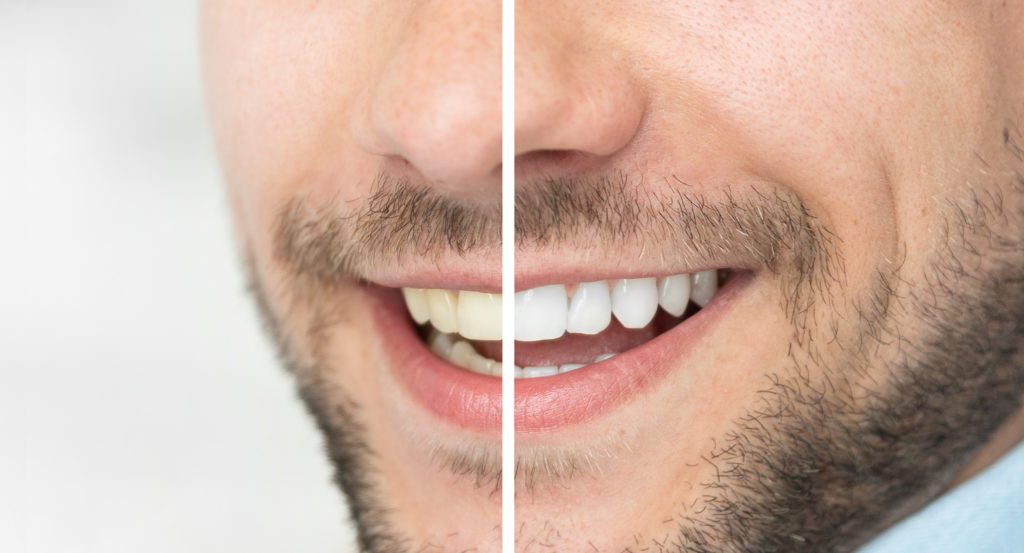
The Bright Truth: Are Teeth Whitening Treatments Actually Bad For You?
Your First and Best Step: Talk to Your Dentist
Before you slather on any whitening gel, the absolute best thing you can do is have a quick chat with your dentist. Think of them as your personal smile coach. They know the health of your teeth better than anyone and can give you the perfect game plan.
Why is this so important? Well, if you have any underlying issues, like undetected cavities or early gum disease, whitening can exacerbate them and cause pain. Your dentist can check for these things first and make sure your mouth is healthy and ready for whitening.
They can also advise you if you have many fillings or dental crowns. The whitening gel doesn’t work on these materials and could cause uneven coloration.
Your dentist can also guide you to the best option for your specific needs and budget. They might offer powerful cosmetic treatments that deliver dramatic results in a single visit. They might provide you with custom-fitted trays for home use that are safer and more effective than anything you can buy over the counter.
Playing it Safe with At-Home Kits
If you decide to go the at-home route, you need to be a smart shopper. The most important thing to look for is the ADA Seal of Acceptance right on the box. This little seal is your guarantee that the American Dental Association has reviewed the product and found it safe and effective when used as directed.
Once you have a safe product, the next golden rule is to follow the directions exactly. This might seem obvious, but it’s where a lot of people get into trouble. If the instructions say to wear the strips for 30 minutes, don’t think that leaving them on for two hours will give you better results. It will only increase your risk of sensitivity and gum irritation. Every product is a little different, so read the fine print carefully.
What to Expect: The Temporary Side Effects
So, what does that “temporary sensitivity” actually feel like? Let’s break down the two most common side effects.
First up is tooth sensitivity. You might notice a quick, sharp zing when you drink something cold or eat ice cream shortly after a whitening treatment. This happens because the main whitening ingredient (usually hydrogen peroxide or carbamide peroxide) can temporarily make the pores in your tooth enamel a little more open. It irritates the nerve inside the tooth, too.
The good news is that this inflammation is almost always temporary and calms down on its own. If you do have sensitivity, you have options. You can:
- Shorten the amount of time you use the whitening product.
- Take a day off between treatments to give your teeth a break.
- Switch to a toothpaste made for sensitive teeth, which can help block the tiny tunnels in your teeth that lead to the nerve.
The second common side effect is gum irritation. If the whitening gel accidentally gets on your gums, it can cause a temporary white, tingly, or slightly sore feeling. This is much less likely to happen during a professional treatment because your dentist will carefully protect your gums with a special barrier. At home, you can avoid this by carefully applying the gel only to your teeth and immediately wiping away any excess.
Remember, both of these side effects are usually mild and fade away on their own once you stop the treatment. They are your body’s way of saying, “Hey, that’s a strong substance!” but they aren’t causing permanent damage.
In the end, teeth whitening is a fantastic tool for boosting your confidence. By teaming up with your dentist, choosing products wisely, and listening to your body, you can have a brighter smile safely and comfortably. Give us a call today at (972) 382-6855 or request an appointment online.